What Makes Corporate–Startup Collaboration Workable

From Discovery to Practice: What Makes Corporate–Startup Collaboration Workable
New Bridgium report analyzes structural bottlenecks in corporate–startup partnerships and provides practical steps to move from pilot to operational integration.
Corporates search for novelty but evaluate predictability. Startups seek fast validation but have to prove reliability and operational fit. Both sides act sensibly — yet collaboration frequently stalls.
A newly released report from Bridgium explores where and why these joint initiatives lose momentum, offering actionable insights for innovation leaders and founders alike.
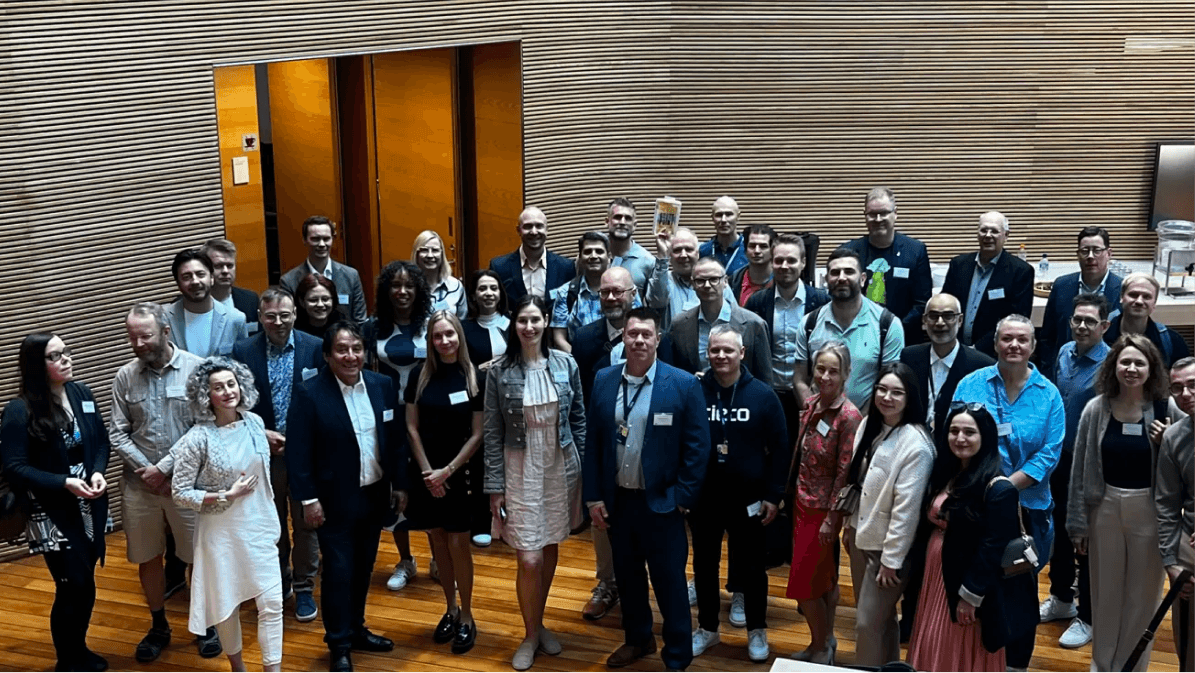
The findings are based on 48 in-depth interviews conducted between September and December 2025. The research captures perspectives from innovation leaders across large Nordic and European enterprises, as well as 20 founders of startups and SMEs actively collaborating with them.
Where Collaboration Stalls
The study identifies three critical junctures where joint projects typically lose traction:
At Entry: Corporate needs often remain implicit, making initial access dependent on informal personal networks rather than structured, open channels.
During Pilots: Both parties frequently launch pilot projects without defining explicit success criteria or agreeing on the decision-making process following the test.
Post-Pilot Integration: Even after a successful pilot, solutions regularly lack a long-term internal owner, allocated budget, or a clear pathway into core operations.
A Structured Path Forward
Across the most successful partnership cases, a recurring strategy emerges: engage widely, explore jointly, filter gradually, and embed selectively.
The report translates this framework into concrete recommendations for both stakeholders. It includes clear guidance on what corporations can do to make internal structures workable, alongside practical criteria startups can use to qualify opportunities early.
Read the Full Report
The full report is available to read for free on the Bridgium website.